
What Happens During an Early Intervention Assessment for Children in Singapore

Being advised to consider an early intervention assessment can feel overwhelming for many parents. It is entirely natural to have questions and concerns regarding what this entails for your family.
However, through observations, play-based interactions, and collaborative conversations, trained professionals can better understand your child's unique developmental needs. At the same time, the evaluation results can help them identify the most appropriate support.
Far from being a cause for worry, it can be a step toward giving your child the right foundation to grow and thrive.
What is an Early Intervention Assessment?
An early intervention assessment is a structured evaluation carried out by specialists to build a holistic picture of a child's developmental progress. Drawing on observations, parent input, and professional tools, specialists typically examine areas such as communication, social interaction, learning, behavior, and motor skills across different settings and routines.
Importantly, the goal of an assessment is not to label a child unnecessarily. Rather, it's to understand a child's individual strengths and needs, so that the right support can be put in place as early as possible.
Why Early Assessment Can Be Helpful for Young Children
The earlier a child's developmental needs are identified, the sooner support can begin. During the early years, the brain is at its most receptive to learning and growth, making timely intervention particularly valuable.
Early assessments can support children in several important ways, including:
Identifying specific areas where a child may need additional guidance
Enabling targeted support for communication and language development
Strengthening learning readiness before formal schooling begins
Supporting social and emotional development during critical early years
When Parents May Be Referred for an Assessment
An assessment is typically recommended when a parent, teacher, or childcare educator notices signs that a child may benefit from additional support. Common situations that may prompt a referral include:
Speech and language delays, such as limited vocabulary or difficulty being understood
Challenges interacting with peers or engaging in group play
Difficulty following instructions or understanding what is being said
Behavioral concerns, such as frequent emotional outbursts or difficulty with transitions
Delays in motor development or self-care skills
What Happens During the Assessment Process
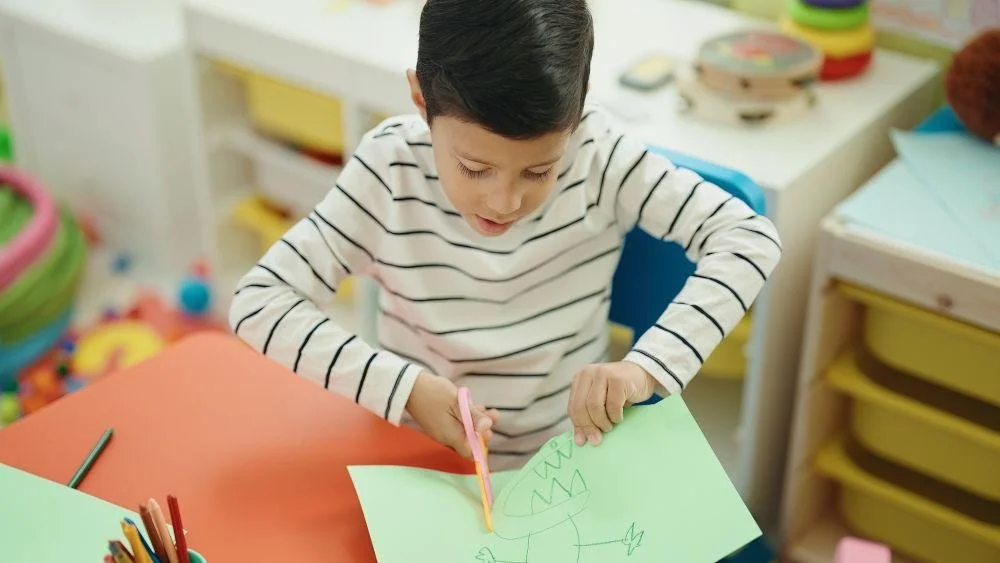
Assessments are designed to be child-friendly and low-pressure, helping children feel at ease throughout. While the process may vary depending on the child's age and needs, it generally involves:
Direct observation of the child in structured or play-based activities
Interaction between the specialist and child to explore communication and responses
Interviews or questionnaires with parents about the child's routines, behavior, and development
Review of any existing reports or developmental records
Developmental Areas Professionals Usually Observe
Rather than focusing on a single skill, specialists take a holistic approach, reviewing multiple areas of development to understand how a child is progressing overall.
Key domains typically observed during an assessment include:
Communication Skills: Professionals assess how a child expresses themselves and understands language.
Social Interaction: They observe how a child engages with familiar adults and peers.
Cognitive Abilities: Specialists assess how a child thinks, solves problems, and processes information.
Motor Development: Both fine and gross motor skills are evaluated across daily activities.
Behavior: Professionals note how a child manages emotions, attention, and daily routines.
The Role of Parents During the Assessment
Parents are valuable partners in the assessment process. Since you know your child best, the observations and insights you share help professionals build a more complete and accurate picture of your child's development.
During the assessment, you may be asked to share information about:
Your child's daily routines and how they manage transitions
Communication patterns, including how they express their needs at home
Social behaviors, such as how they interact with family members and peers
Strengths and areas where your child may be finding things more challenging
What Happens After the Assessment
Once the assessment is complete, professionals will share their findings with you in a clear and accessible way. If your child would benefit from additional support, they may recommend suitable early intervention programmes or developmental guidance tailored specifically to your child's needs and goals.
Importantly, recommendations are never one-size-fits-all. Each plan is personalized to reflect your child's unique strengths, challenges, and developmental profile. Professionals will also guide you through the next steps so you feel informed and confident as you move forward.
How Early Support Can Help Children Thrive
When the right support is put in place early, children are given a stronger foundation to grow and develop at their own pace. Timely intervention during the early years can lead to meaningful progress across key areas, including:
Communication: Children develop stronger language and expression skills, helping them connect with others more confidently.
Learning Abilities: Early support builds the cognitive foundations that make formal learning more accessible and enjoyable.
Social Skills: Children become better equipped to form relationships, navigate group settings, and manage their emotions.
Supporting Your Child While Waiting for Guidance
Waiting for assessment results can feel uncertain, but there is plenty you can do in the meantime to support your child's development at home. Consider incorporating the following into your daily routine:
Engage in interactive play that encourages turn-taking, imagination, and exploration.
Encourage communication by narrating daily activities and responding warmly to your child's attempts to express themselves.
Read together regularly to build vocabulary, listening skills, and attention span.
Maintain consistent routines to provide your child with a sense of security and predictability.
Every Child Deserves the Right Start
Every child develops in their own way and at their own pace, and seeking guidance is one of the most caring steps a parent can take. Early assessment and the right support can make a difference, helping children build the communication skills, confidence, and foundations they need to thrive.
If you have concerns about your child's development, consider reaching out to The Growing Academy to learn more about the available early intervention support.