
Early Intervention Programs in Singapore
Early intervention provides timely support for children with developmental delays or autism, especially during the brain’s most receptive early years. These programmes help children build essential communication, social, and daily living skills, supporting overall development and reducing future challenges.
In Singapore, early intervention may include structured therapies such as speech, occupational, and social-emotional support, delivered through options like the Early Intervention Programme for Infants and Children (EIPIC), inclusive preschool settings, or home-based support coordinated by professionals and caregivers.
1. Momo Class
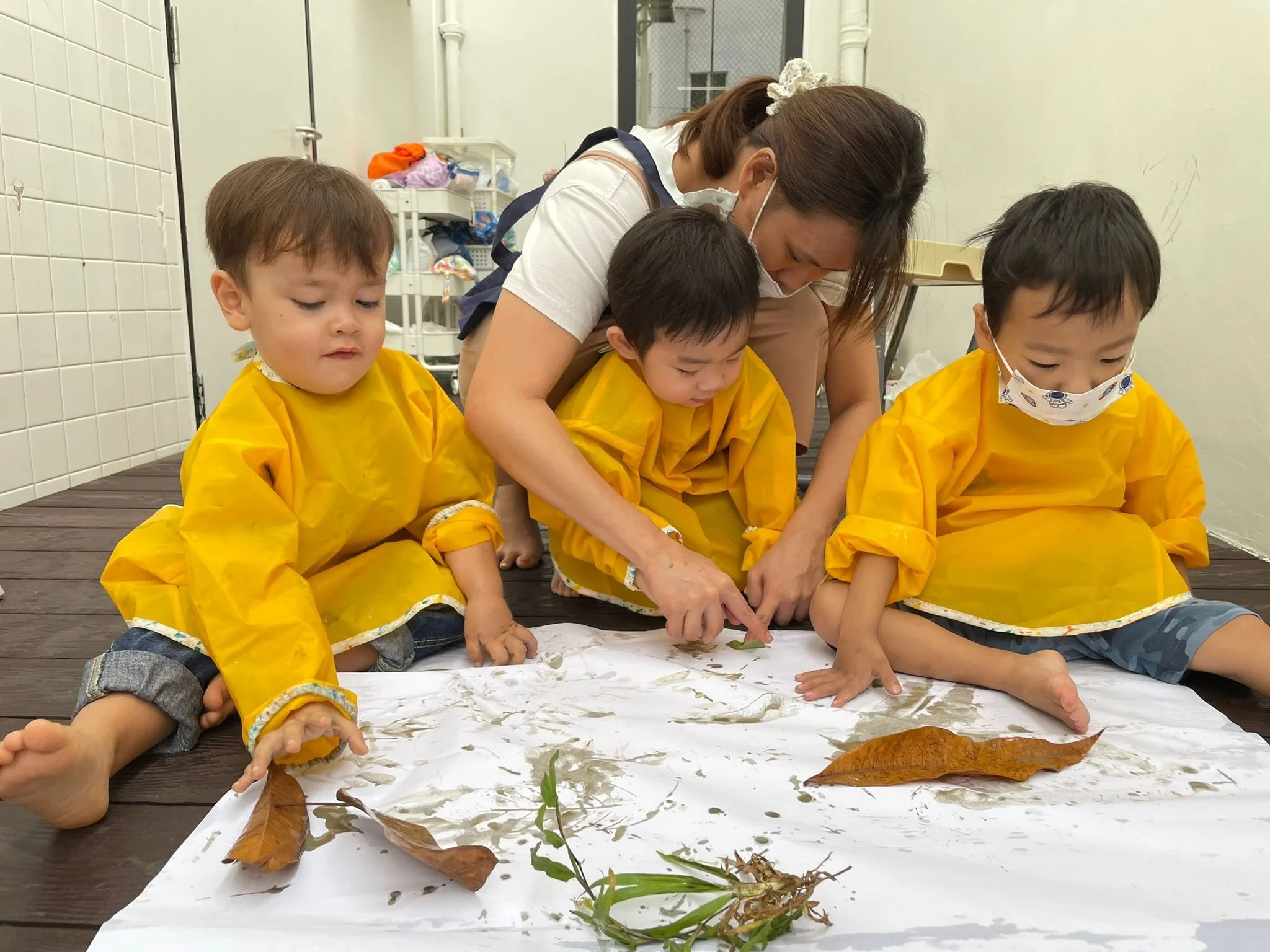
Our Momo Class is designed for children with a developmental age of 2 to 3 years. The long-term goal of this class is to support and enhance language and literacy capacities. Every activity is carefully designed to provide your child with opportunities to express their ideas, thoughts, and feelings.
Through social interactions with teachers and peers, children build oral language skills and begin to understand reading and writing as valuable tools for communication.
In addition, to help children grasp concepts such as numbers, shapes, calculation, and categorization, The Growing Academy emphasizes play-based learning and observation, ensuring a strong foundation for cognitive development.

2. Yuri Class
Catering to children with a developmental age of 4 to 5 years, our Yuri Class focuses on recognizing the child as a competent and capable thinker and communicator. Our multidisciplinary team, comprising early intervention teachers, ABA therapists, speech therapists, occupational therapists, and play therapists, collaborates to set tailored goals and lessons that bridge developmental milestones.
3. Sakura Class
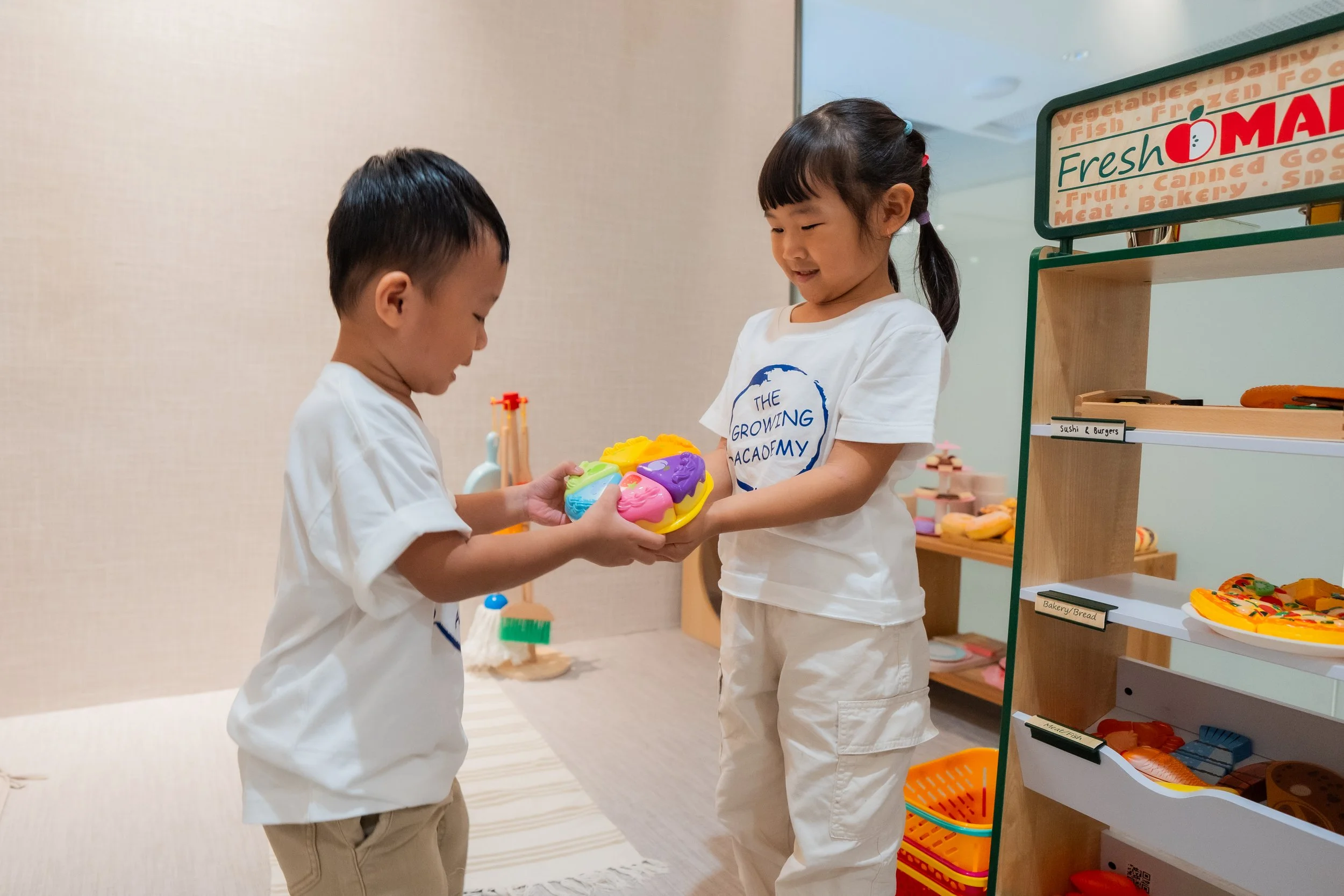
Our Sakura Class is tailored for children aged 6 to 7 years, who undergo our mainstream readiness program as part of their daily routine.
At this stage, children’s language skills are more purposeful and serve as an effective means of communication. With increasing physical maturity, teachers focus on refining your child’s motor skills, enhancing pre-writing and writing experiences, and supporting greater challenges in physical pursuits.
Additionally, our program prioritizes self and social development, fostering independence, emotional regulation, self-concept, confidence, and self-help skills.
Learning is structured and integrated across multiple disciplines, promoting holistic development, life skills, dispositions, attitudes, and academic achievement while encouraging curiosity through problem-solving, inquiry, and hands-on exploration.

4. Enrichment
At The Growing Academy, we believe that every child should have equal opportunities to attend enrichment classes and gain exposure to a diverse range of skills. That’s why we are committed to providing high-quality learning experiences.
Our enrichment programs are designed to complement early intervention services, nurturing children’s interests and supporting their overall development.

Early Intervention Program for Infants and Children (EIPIC )
EIPIC is a government-funded initiative in Singapore that provides therapy and educational support to children aged 0 to 6 years who require medium to high levels of early intervention. Designed for children with developmental delays or disabilities, EIPIC helps them develop essential skills and reach their full potential through a structured curriculum and individualized education plans that target cognitive, language, motor, and social-emotional development.
At The Growing Academy, we complement this framework by offering tailored programs for your child, such as the Momo Class (ages 2–3), Yuri Class (ages 4–5), and Sakura Class (ages 6–7). These classes focus on language, literacy, cognitive, motor, and social-emotional skills, while enrichment classes provide additional learning opportunities, ensuring holistic development and readiness for mainstream education.

Preschool Early
Intervention Options
Integrating early intervention into preschool allows children with developmental needs to receive support within a familiar and natural learning environment.
Children requiring low levels of early intervention support may benefit from Development Support (DS) or Learning Support (LS) programs, where educators work alongside preschool teachers to provide targeted, short-term assistance.
For children requiring medium levels of support, the Inclusive Support Program (InSP) Pilot provides a co-taught, inclusive classroom experience where professionals integrate intervention strategies into daily routines.
Early Intervention for Autism
Early intervention is crucial for children with Autism Spectrum Disorder (ASD), as it leverages the brain's heightened plasticity during the early years to foster significant developmental progress. Timely intervention can lead to improvements in communication, social skills, and behavior, enhancing long-term outcomes for children with ASD.
A comprehensive early intervention plan typically includes:
Speech therapy addresses language and communication challenges, helping children improve their ability to express themselves and understand others.
Occupational therapy focuses on developing fine motor skills and daily living activities, promoting independence.
Applied Behavior Analysis (ABA) utilizes positive reinforcement to teach new skills and reduce undesirable behaviors, thereby supporting overall behavioral development.
Social skills training teaches children how to initiate and maintain conversations, interpret nonverbal cues, and navigate social situations effectively.
At The Growing Academy, we offer tailored early intervention for children with ASD, combining speech, occupational, ABA, and social skills therapies to support holistic development.
Choosing the Right Early Intervention Center
When choosing the right early intervention center for your child, consider the:
Location and Accessibility
Select a center located conveniently near your home or workplace to minimize commute time and logistical stress.
Expertise & Multidisciplinary Support
Verify whether the center provides a collaborative, multidisciplinary team for comprehensive support tailored to your child’s specific needs.
Therapy Scope and Alignment with Child’s Needs
Examine the range of therapies offered by the center, whether they follow a structured curriculum, and how they incorporate developmental goals into daily routines.
Government-Funded vs.
Private Programs
Consider the differences between government-funded and private programs. While government-funded programs may be more affordable, they often come with long wait times that may delay access to services. In contrast, private centers typically offer shorter wait times and immediate enrollment.
Support for Parents & Families
Support for parents and families is a vital part of early intervention, with many programs offering caregiver training to equip parents with practical skills for home support.
Why Choose The Growing Academy?
Specialized Approach
The Growing Academy recognizes that every child is unique and customizes interventions to meet individual needs. By applying the principles of ABA, complex skills are broken down into smaller, manageable steps, enabling children to master essential life skills and bridge the gap between special needs and mainstream education.
Certified Educators and Therapists
Our professionals hold at least a Bachelor’s degree, with some possessing Master’s qualifications from both local and overseas universities. In addition, they receive continuous training from external experts in special needs, ensuring they are well-equipped with the latest skills and approaches to deliver effective intervention and care.
Extensive Experience and Proven Success
Our academy is led by an experienced team, including co-founder Ling, an associate psychologist and ABA therapist with over 10 years of expertise in supporting children with complex developmental needs. Alongside her, our multidisciplinary team brings decades of combined experience across government and private sectors, having worked with children and adolescents with conditions such as ASD, ADHD, Global Developmental Delay (GDD), Down Syndrome, and learning disabilities.
Frequently Asked Questions
-
The Early Intervention Programme in Singapore supports children with developmental delays or special needs by providing structured learning, therapeutic support and play-based activities to help them build communication, social and daily living skills. It focuses on early assessment, personalised goals, and multidisciplinary care for each child.
-
Early intervention centres in Singapore help children through tailored programmes that combine therapies such as speech therapy, occupational therapy and behavioural support alongside play-based learning and skill development. Centres work closely with families to track progress and adjust learning plans as the child grows.
-
EIPIC (Early Intervention Programme for Infants and Children) is a government-linked programme designed to support eligible children with developmental needs. Other early intervention programmes — including private ones — may offer similar services but with different structures, session formats and flexibility. The core aim remains helping children build skills early.
-
To apply for the EIPIC programme, you typically begin with a referral from a doctor or allied health professional, followed by assessment and application with a centre offering the programme. Each centre will guide you through the process, eligibility checks and documentation.
-
In Singapore, early intervention programmes include centre-based learning, individual therapy sessions (such as speech, occupational and behaviour support), play-based developmental classes, and specially designed preschool readiness programmes that help children adapt to group learning and school routines.
-
Costs for early intervention programmes in Singapore vary based on the type of services, frequency of sessions and whether they are government-subsidised (like EIPIC) or privately delivered. Prices typically depend on the level of therapy and support required, so it’s best to contact centres directly for accurate quotes.
-
Early intervention programmes in Singapore are generally for young children, especially from infancy up to preschool age, who show signs of developmental delays. Specific age eligibility can vary by programme, so it’s recommended to check with the centre or referral provider.
-
Yes - many early intervention centres in Singapore include school readiness support as part of their programmes, helping children build social, cognitive and communication skills that make transitioning into mainstream preschools and schools smoother.