
What School Readiness Really Means in Singapore Preschools
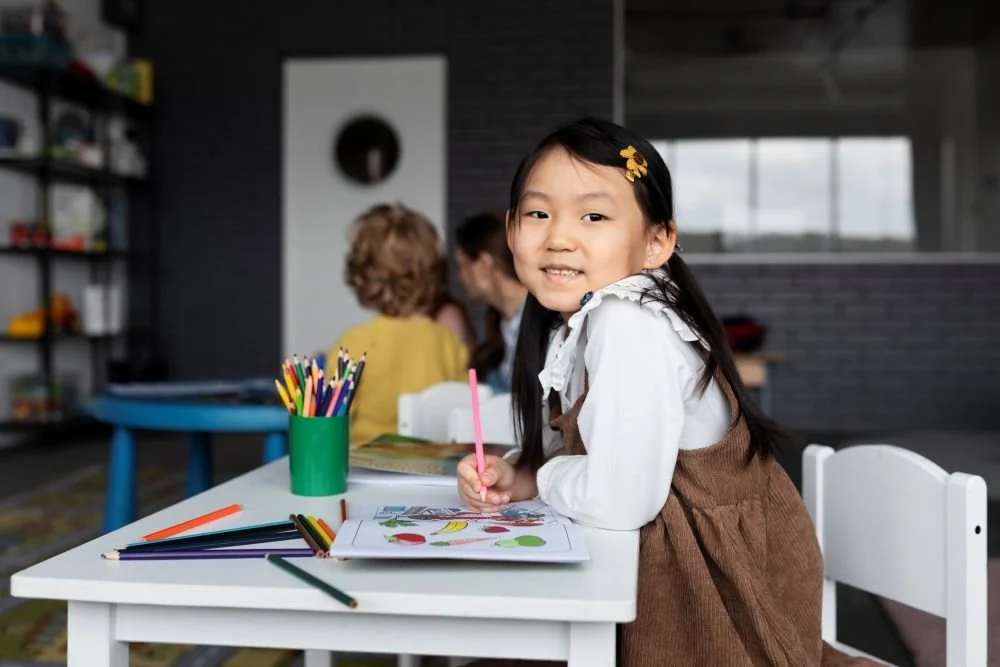
As your child approaches primary school age, you may start to wonder if they are keeping pace with their peers. While many parents instinctively focus on whether a child can read, write, or count, school readiness is a much broader and more holistic concept.
True readiness encompasses the social, emotional, physical, and learning skills that together shape a child's ability to thrive in a school environment.
What is “School Readiness”?
School readiness refers to a child's overall ability to cope with and benefit from school life across multiple developmental domains. At its heart, a school-ready child is not necessarily one who can complete advanced worksheets. Rather, they are a child equipped with the foundational skills to engage with learning and navigate their surroundings with growing independence.
These skills span several key areas, including:
Social Skills: Getting along with peers and adults
Emotional Readiness: Managing feelings and transitions
Communication: Expressing needs and following instructions
Self-care: Handling basic daily tasks independently
Learning Habits: Paying attention, following routines, and showing curiosity
Common Myths About School Readiness in Singapore
Many parents enter this stage with well-meaning but incomplete ideas about what school readiness actually requires. Some of the common misconceptions about school readiness include:
"My Child Must Already Read and Write"
Reading and writing are skills children develop progressively. What matters more at this stage is whether a child can communicate, listen actively, and show an interest in stories and language.
"My Child Must Know Maths Before Primary 1"
Recognizing numbers is helpful, but understanding concepts like quantity, comparison, and basic problem-solving through everyday experiences is more valuable than memorizing a number sequence.
"Worksheets and Drills Are the Best Preparation"
Repetitive drills may yield short-term results, but children internalize concepts more effectively through guided exploration, hands-on activities, and play-based experiences that make learning feel relevant and engaging.
The Key Areas of School Readiness
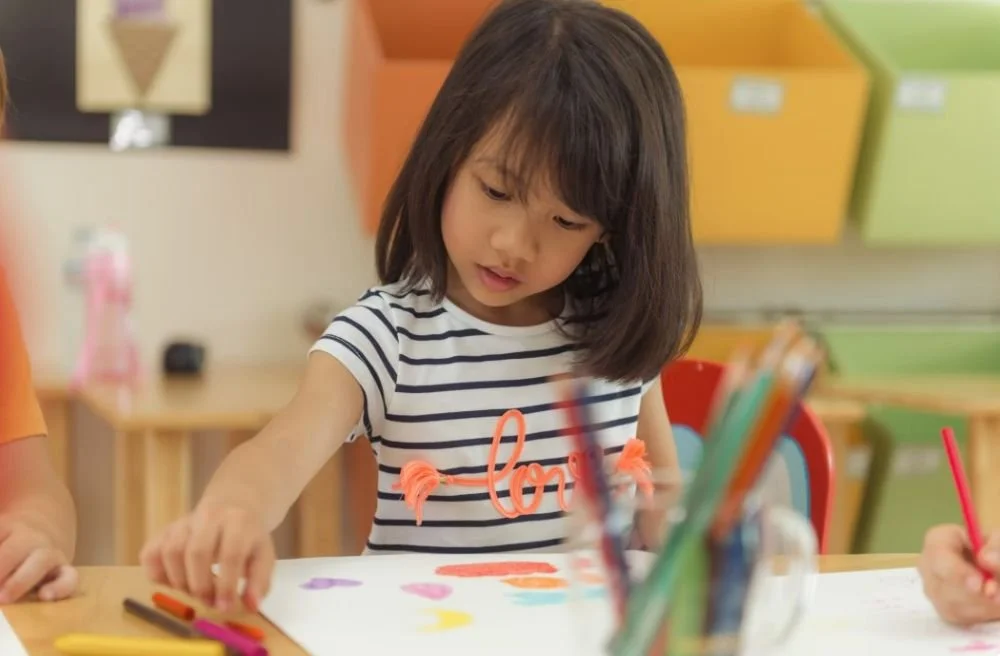
School readiness encompasses far more than academic knowledge, spanning several interconnected areas that together prepare a child for the demands of school life:
Social Skills: Children who can share, take turns, and follow group rules are better equipped to thrive in a classroom setting alongside their peers.
Emotional Readiness: Managing frustration, coping with separation, and building confidence are all essential for helping children feel secure in a new environment.
Communication Skills: Listening attentively, expressing needs clearly, and understanding instructions allow children to engage meaningfully with teachers and classmates.
Physical Readiness: Fine motor skills, physical stamina, and basic self-care abilities help children participate independently in daily school routines.
Learning Behaviors: Attention, curiosity, a willingness to try new things, and the ability to follow routines lay the groundwork for learning.
How Singapore Preschools Support School Readiness
Inclusive preschools in Singapore, such as The Growing Academy, are designed with school readiness in mind, weaving it into everyday experiences rather than treating it as a separate goal. For example, we achieve this through a combination of the following approaches:
Structured Routines: Consistent daily schedules help children understand what to expect, building their ability to follow routines and transition between activities, both of which are essential in primary school.
Play-Based and Guided Learning: Through purposeful play and teacher-guided activities, children develop foundational cognitive, language, and social skills in a natural, engaging way.
Group Activities: Working alongside peers on shared tasks teaches children to cooperate, communicate, and navigate social dynamics, skills they'll rely on throughout their schooling years.
Teacher-Guided Social Interaction: Educators facilitate interactions between children, modeling how to take turns, resolve conflicts, and engage respectfully with others.
Why Social and Emotional Skills Matter as Much as Academics
Academic knowledge alone is not enough to help a child thrive in school. The ability to navigate relationships, manage emotions, and act independently plays an equally important role in how smoothly a child adapts to school life:
Confidence: A child who feels secure in their abilities is more likely to ask questions and try new things without fear of making mistakes.
Independence: Tasks like unpacking a bag, asking a teacher for help, or managing lunchtime build a child's sense of self-reliance.
Emotional Regulation: Children who can cope with frustration or disappointment are better equipped to handle setbacks, whether it's getting an answer wrong or navigating a disagreement with a classmate.
Social Interaction: Children who are comfortable engaging with peers find it easier to join group activities, build friendships, and feel a genuine sense of belonging in the classroom.
Signs Your Child Is Developing School Readiness
Every child develops at their own pace, and that's completely normal. That said, the following signs can give parents a general sense of how their child is progressing across key areas of readiness:
1. Social and Emotional Skills
Can separate from parents or caregivers with minimal distress
Is beginning to manage emotions with adult support
Can play cooperatively with others and take turns
Understands and responds to basic rules and routines
2. Communication Skills
Speaks clearly enough to be understood by adults apart from their guardians
Can express needs, ideas, and simple questions
Listens to stories and follows straightforward instructions
3. Cognitive Skills
Shows curiosity and enthusiasm for learning new things
Can focus on a task for short periods
Recognizes basic shapes, colors, letters, or numbers
4. Physical Skills
Holds a pencil or crayon with reasonable control
Exhibits developing balance and coordination
Can use the toilet independently
5. Independence
Manages personal belongings like a backpack or lunchbox
Can dress themselves with minimal assistance
Takes responsibility for simple tasks like tidying up
How Parents Can Support School Readiness at Home
School readiness doesn't require flashcards or formal lessons at home. The most important preparation happens through simple, everyday moments:
Reading Together: Sharing books regularly builds vocabulary, listening skills, and a genuine love for learning.
Talking About Daily Activities: Conversations about what happened during the day strengthen language development and help children process their experiences.
Encouraging Independence: Letting children dress themselves, tidy up, or pack their own bag builds self-confidence.
Playing Games: Play games with your child to teach them to take turns, follow rules, and listen to others.
When to Seek Extra Support
Some children may need a little more time and assistance in certain areas, and that's perfectly okay. If you notice persistent challenges in any of the following, it may be worth consulting The Growing Academy to learn about early intervention support:
Speech and Language: Difficulty being understood, limited vocabulary, or trouble following verbal instructions.
Behavior Regulation: Frequent emotional outbursts, difficulty transitioning between activities, or challenges with impulse control.
Attention and Social Interaction: Trouble focusing for short periods or finding it hard to engage with peers in group settings.
If these concerns persist, speaking with your child's teacher or a qualified professional early on can make a difference.