
The Role of Routine and Structure in Early Childhood Development
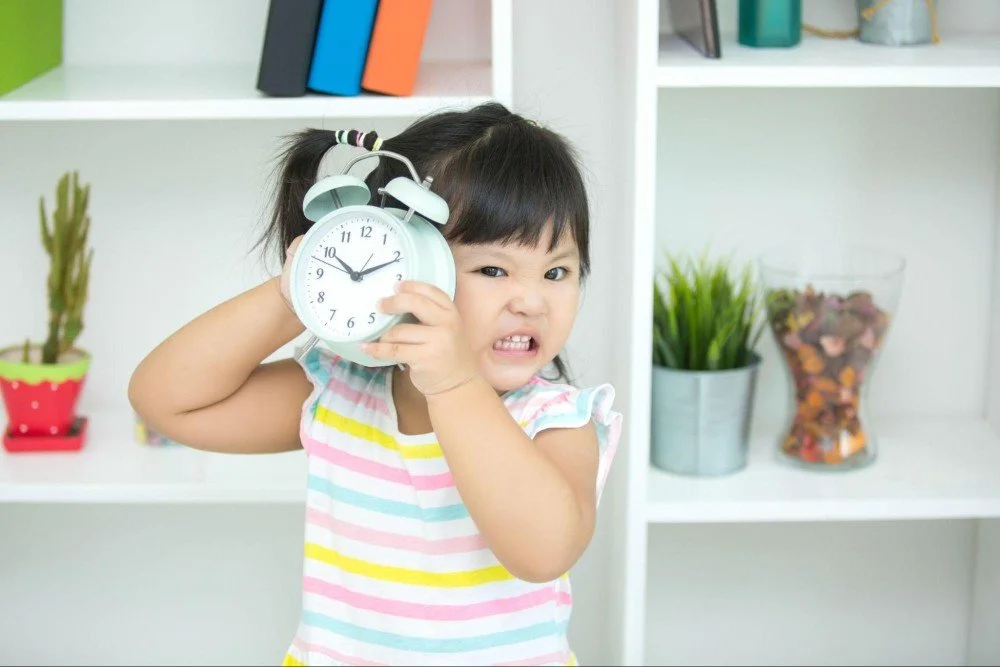
The early years are a time of growth, with everyday experiences helping to shape young minds. During this stage, children feel comfortable with predictability and consistency, as familiar routines help them feel secure and confident.
This is where routine and structure play an important role. They create a stable environment that guides children through their day and supports emotional, social, and cognitive development.
What are Routine and Structure in Early Childhood?
A routine is made up of familiar, repeated actions, like morning greetings, snack times, or winding down with a story before bed. These consistent activities help children feel in control of their day and know what to expect throughout the day.
Structure, on the other hand, is the bigger picture, as it organizes these routines into a flow. For example, moving from free play to group activities, then to snack time, and finally to quiet rest.
While routines provide consistency, a good structure balances predictability with flexibility, allowing schedules to adapt as children grow and making room for spontaneous activities that encourage creativity and exploration.
How Does Routine Support Emotional Security?
Routines provide emotional security by helping reduce anxiety, making children feel safe.
Reduces anxiety: Scheduled activities, such as transitioning from playtime to snack time, help children stay calm by knowing that their needs will be met.
Fosters control and confidence: Daily routines help children anticipate events, giving them confidence to complete small tasks, such as tidying up or preparing for a story session.
Helps manage emotions: Consistent patterns teach children to manage their emotions and behaviours, easing transitions between activities without distress.
The Role of Structure in Behaviour and Self-Regulation
A well-structured environment provides clear expectations and guidance, helping children understand boundaries and learn self-control.
Creates clear expectations: Everyday routines and predictable responses help children understand what is expected of them, giving them a sense of order and reassurance.
Teaches understanding of boundaries: By following simple rules and routines, children learn limits in a positive way, which helps them understand acceptable behaviour, and develop self-discipline.
Develops impulse control: Coordinated activities, such as taking turns during group play or waiting for snack time, give children repeated practice in managing impulses.
How Do Routine and Structure Help in Cognitive Development?
Routines also play a crucial role in developing children’s cognitive skills. At The Growing Academy, daily learning experiences are thoughtfully structured to support children’s thinking, focus, and problem-solving abilities.
Enhances attention and focus: Daily activities help children prepare mentally for tasks, improving concentration and engagement.
Supports memory and understanding cause-and-effect: Following sequences, like getting ready for bed, reinforces order, strengthens memory, and helps children see how one action leads to another.
Promotes learning through repetition: Repeated experiences, such as brushing teeth or setting the table, provide practice that deepens understanding, builds problem-solving skills, and encourages independent thinking.
How Does Routine Build Independence and Responsibility?
Following routines helps children develop independence and take responsibility for their daily activities.
Builds confidence through predictability: Knowing the order of daily events, such as finishing breakfast before brushing teeth, helps children feel capable of handling their day.
Encourages participation in daily tasks: Repeating simple activities, such as tidying toys or washing hands, allows children to master skills and take initiative.
Promotes autonomy and choice: Within structured routines, children can make small decisions, such as selecting a bedtime story, which facilitates self-direction and critical thinking.
Fosters responsibility: Assigning age-appropriate tasks and encouraging children to complete them teaches accountability, patience, and ownership over their actions.
Supporting Social Development Through Predictable Environments
By participating in group activities and learning to follow shared expectations, children develop essential social skills.
Encourages cooperation: Group routines, such as circle time or cleaning up together, teach children to work alongside peers, share responsibilities, and collaborate on common goals.
Promotes turn-taking: Predictable schedules give children repeated opportunities to wait their turn during activities, helping them practice patience and fairness.
Supports respect for shared expectations: Routines and clear guidelines help children understand and follow social norms, making it easier to navigate group interactions.
Builds social confidence: Knowing what to expect in standard settings allows children to engage with peers, express themselves, and form positive relationships while feeling safe.
Balancing Structure With Flexibility
While consistency provides predictability, flexibility is equally important in early childhood. Some strategies for maintaining this balance:
Create anchor points: Keep activities, like meals, outdoor play, or bedtime, as fixed points in the day, but avoid scheduling every minute.
Offer choices: Let children make small decisions, such as which story to read or which toy to play with, to foster autonomy and decision-making.
Be responsive, not rigid: If a child is deeply engaged in an activity, allow it to continue rather than stopping abruptly for the next routine.
Plan for spontaneity: Include buffer time for unplanned activities or changes.
Teach adaptability: Gradually introduce small changes to routines to practice flexibility and build confidence in managing transitions.
Why Routine and Structure Matter Beyond Preschool
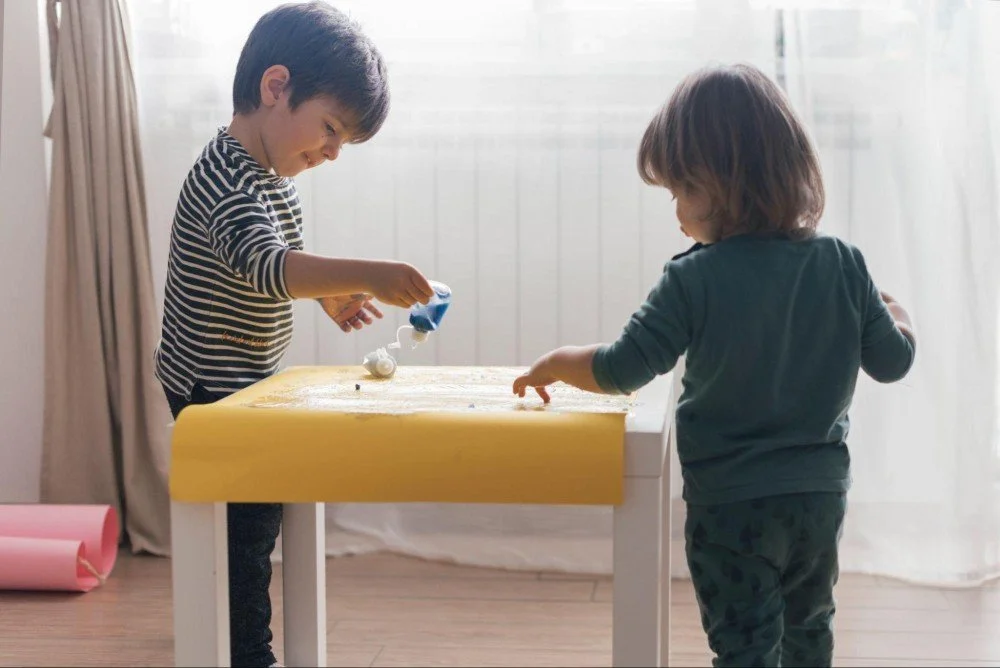
The benefits of routine and scheduled activities extend far beyond preschool, supporting smooth transitions, life skills, and emotional resilience as children grow.
Supports transition to school: Familiar routines help children adapt to primary school by providing continuity and reducing anxiety during new schedules, teachers, and classroom expectations.
Builds everyday life skills: Consistent daily activities, such as completing homework, managing personal hygiene, or helping with chores, teach children organisation, time management, and responsibility.
Fosters emotional resilience: Knowing what to expect and practicing self-regulation through routines helps children handle change, setbacks, or challenges calmly in life.
Frequently Asked Questions
-
Routine provides children with a framework for daily life, helping them build independence, confidence, and order. It also creates opportunities for skill development, from self-care to decision-making, by establishing patterns that they can practice and master.
-
Structure sets clear boundaries and predictable expectations, helping children understand limits and reducing uncertainty. This clarity allows them to manage feelings, respond appropriately in social situations, and develop self-discipline.
-
Predictable routines give children stability in a world full of new experiences. Knowing what to expect reduces anxiety, nurtures emotional regulation, and allows them to focus on learning, exploring, and building relationships with others.
-
Yes, over-structuring can limit creativity, spontaneity, and problem-solving. Children may feel stressed or restricted when every moment is scheduled, so a balance between routine and flexibility is essential for healthy development.
-
Routines provide continuity and familiar reference points, making new school schedules and classroom expectations easier to navigate. Children adapt more easily, feel confident in managing tasks, and are better prepared to engage with teachers and peers.