
The Rising Importance of Social-Emotional Learning in Preschool
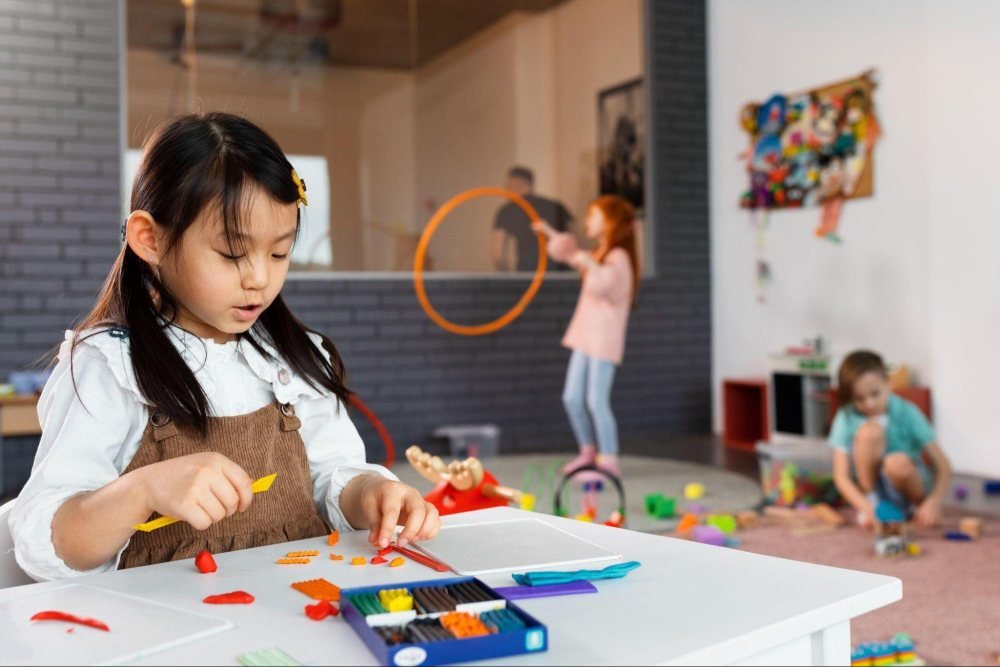
Early childhood education has been shifting toward a more holistic approach that supports not only academic growth but also emotional and social development. As a result, learning now includes helping children understand their feelings, manage their behavior, and build healthy relationships with others, known as Social-Emotional Learning (SEL).
What is SEL?
SEL focuses on helping young children understand themselves and connect positively with the people around them. It teaches kids how to recognize their emotions, control their reactions, and communicate kindly with others. At the same time, it supports skills like cooperation, empathy, and problem-solving in everyday situations.
Unlike academic learning, which centers on letters and numbers, SEL emphasizes personal growth and social behavior. As a result, children learn how to navigate challenges, build healthy friendships, and make thoughtful choices both in and out of the classroom.
Why is Preschool a Critical Stage for SEL?
The preschool years are an ideal period for nurturing social-emotional skills, as children’s minds are highly adaptable.
Brain readiness: At this stage, children’s brains are developing, making it easier for them to notice feelings, understand reactions, and respond mindfully to others.
Learning through social interaction: Playdates, group activities, and interactions provide children with hands-on opportunities to practice SEL in engaging ways.
Early experiences shape growth: Positive experiences at this age help children manage challenges, build trust, and develop responsibility, creating a strong base for emotional well-being and future learning.
How Does SEL Support Emotional Regulation?
Understanding and managing emotions is a key part of early childhood development, and SEL gives children practical ways to handle their feelings constructively.
Expressing emotions: SEL encourages children to recognize what they are experiencing and put their feelings into words, helping them communicate their needs clearly and reduce misunderstandings.
Managing stress and developing self-control: With the help of simple coping strategies, such as taking deep breaths or talking through problems, children learn to stay composed, control impulses, and respond calmly, building confidence and trust in themselves.
The Role of SEL in Social Skills and Relationships
Building strong social skills is another outcome of SEL, helping children connect with peers and carry out interactions confidently.
Positive peer interaction: SEL encourages children to engage with classmates respectfully, creating a cordial and supportive environment.
Cooperation and empathy: Through shared activities, children practice teamwork, understand others’ feelings, and develop kindness, thereby strengthening bonds and encouraging inclusive behavior.
Resolving conflicts: SEL teaches children strategies to handle disagreements calmly and reasonably, helping them find solutions that respect everyone’s perspective while maintaining friendships.
SEL and Classroom Readiness
Beyond social skills, SEL also helps children adjust to the preschool classroom environment.
Listening and attention: SEL encourages children to tune in to instructions, listen carefully to teachers and peers, making learning more effective.
Following routines: Children learn to understand daily schedules, transition between activities, and follow classroom rules, which fosters independence.
Adapting to Group Settings: Through interactions and collaborative play, children practice sharing, taking turns, and responding to others’ needs, helping them thrive in social and learning environments.
The Long-Term Impact of SEL on Future Success
The benefits of SEL extend far beyond the preschool years, shaping how children respond to life’s challenges as they get older.
Building resilience: SEL helps children learn how to bounce back from setbacks, manage pressure, and stay positive when things feel difficult.
Growing confidence: As children better understand themselves, they become more comfortable expressing ideas, trying new things, and believing in their abilities.
Developing adaptability: SEL supports flexibility, helping children adjust to change, solve problems, and handle new environments with ease.
Encouraging lifelong learning: By promoting curiosity and a growth mindset, SEL helps children stay motivated to learn, improve, and explore throughout life.
Why is SEL Gaining Importance Today?
SEL is gaining importance due to rising concerns about youth mental health and the growing need for future-ready life skills.
Shifting Educational Priorities: Schools are now focusing not only on academic progress but also on helping children develop personal and social skills that support balanced growth.
Greater Awareness of Emotional Well-Being: Parents and educators are aware of the impact stress, pressure, and digital exposure can have on young children, making SEL a priority.
Navigating Diversity: Children interact in diverse settings, both online and offline, and SEL helps them communicate respectfully, understand differences, and build positive relationships.
How Does SEL Complement Academic Learning?
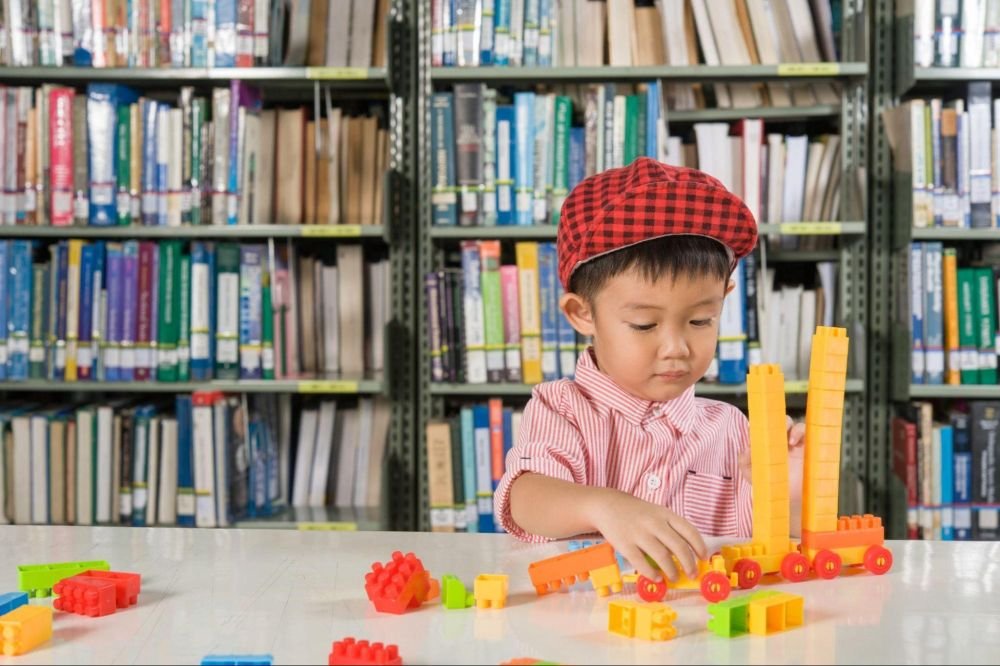
SEL works alongside traditional subjects by creating the right mindset and habits children need to learn. At The Growing Academy, this balanced approach is embedded into everyday learning experiences, ensuring children develop both academically and emotionally.
A Strong Learning Foundation: SEL helps children develop self-awareness and self-management, which makes it easier for them to stay engaged, follow instructions, and approach tasks with confidence.
Better Focus and Persistence: When children can handle stress and stay motivated, they are more likely to concentrate, complete tasks, and persevere even when learning feels challenging.
Balanced Development: By supporting both personal growth and academic progress, SEL ensures children build the emotional and mental readiness needed for long-term success in school.
Frequently Asked Questions
-
SEL in preschool focuses on teaching children how to understand their own reactions, interact positively with others, and make rational decisions. It helps young learners develop awareness, communication skills, and healthy behavior patterns through everyday activities, play, and guidance.
-
Early childhood is when habits, attitudes, and behavior patterns begin to form. SEL helps children learn to handle situations calmly, express themselves appropriately, and respond to challenges constructively, supporting smoother development both at home and in school.
-
SEL gives children tools to recognize how they feel and choose appropriate ways to express those feelings. This helps reduce emotional outbursts, improve coping skills, and encourage children to respond consciously rather than react impulsively.
-
Yes, SEL helps children adjust to the school environment by improving their ability to listen, follow simple directions, and participate in group activities. These skills help children feel comfortable, focused, and confident in a classroom setting.
-
Over time, SEL helps children develop self-reliance, adaptability, and problem-solving skills that support success in school and everyday life. These abilities also contribute to healthier decision-making, stronger communication, and a positive approach to learning as children grow.