
How Play-Based Learning Shapes a Child’s Future Success
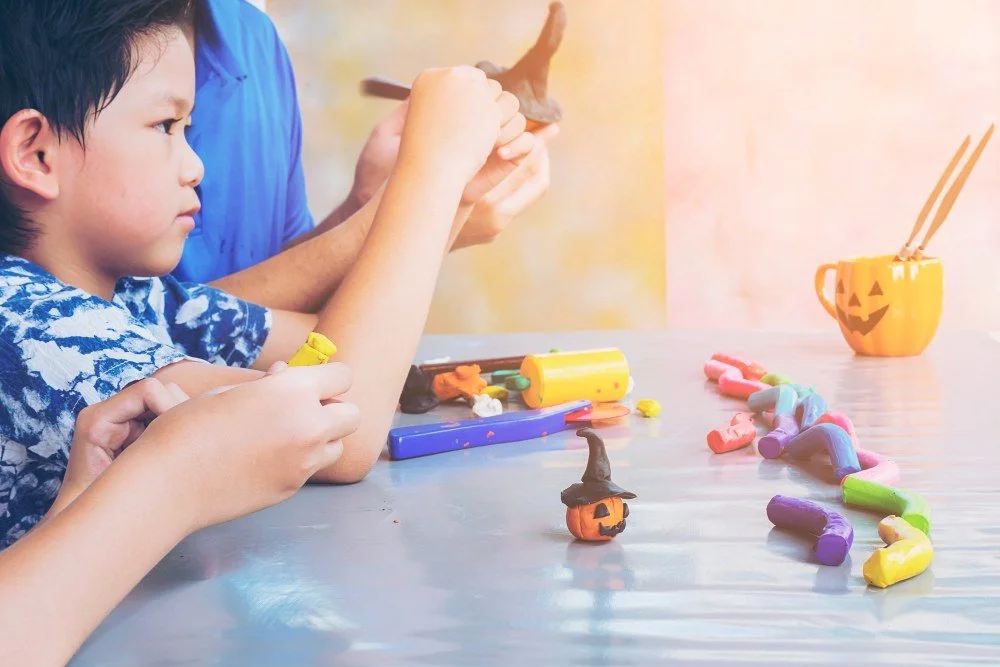
Play is one of the most natural ways children connect with the world. While it may look like simple fun, play can be purposeful when it is used as a tool for learning.
In early childhood, growth goes far beyond memorizing letters and numbers. Actual development focuses on social-emotional learning, helping children develop the curiosity and confidence of their surroundings. These early experiences influence a child’s future success by teaching them how to think critically and interact with others, ensuring they are ready for the challenges of school and life.
What is Play-Based Learning?
Play-based learning leverages a child's natural love for play to teach essential developmental skills. It combines free play, where children lead their own activities to build independence, with guided play, where adults, like parents and teachers, provide hands-on support. By asking thoughtful questions or introducing specific activities, children can explore concepts like numeracy and problem-solving in a fun, stress-free way.
How Play Supports Brain and Cognitive Development
Active discovery helps children build the mental tools they need for future learning. At The Growing Academy, our play-based curriculum is designed to target these cognitive areas naturally:
Problem-Solving: Working through a puzzle teaches kids how to plan and find solutions.
Memory: Remembering game rules or story details helps them store and use information.
Attention and Focus: Immersive activities build the concentration required to finish a task.
Decision-Making: Choosing roles in pretend play allows children to practice making confident, independent choices.
The Role of Play in Social and Emotional Development
Play provides a supportive environment for children to practice interacting with their peers and mentors. It helps them grow into kind, capable individuals by:
Learning to Cooperate: Sharing toys and following group rules in a play group teaches them how to work as a team.
Managing Emotions: Navigating minor setbacks during a game helps children handle frustration and build self-control.
Empathy: Role-playing different characters encourages them to appreciate others' feelings and viewpoints.
Building Confidence: Overcoming challenges through play gives kids the courage to express their ideas and try new things.
How Play Builds Communication and Language Skills
Children learn to express themselves best when they feel comfortable and secure in their environment. Collaborative games and group activities provide this sense of safety, allowing them to strengthen their communication skills in several ways:
Role-Play and Storytelling: Acting out scenes encourages children to use descriptive words and sequence events.
Vocabulary Growth: Playing with others introduces them to different words and ideas through real-life situations, making them easier to remember.
Expressing Ideas and Emotions: Sharing thoughts during a game builds the confidence to speak clearly and share how they feel.
Play-Based Learning and Independence
Having the freedom to explore helps children gain the confidence to handle tasks on their own. Within an inclusive program, every child is encouraged to navigate new challenges at their own pace:
Making Choices: Deciding which toys to play with or what clothes to wear builds early decision-making skills.
Initiative: Jumping into a new game or starting a craft project encourages them to take the first step without waiting to be told.
Responsibility: Learning to pack away their things and helping friends during a group activity teaches them accountability.
Self-directed Learning: Following their own interests ensures they become active, curious learners who love to discover.
Long-Term Benefits of Play-Based Learning
Play-based learning prepares children for life beyond classrooms. Through exploration and experimentation, they develop valuable life skills that grow with them:
Adaptability and Resilience: Learning to adapt to unexpected situations, such as using a different-colored crayon when their favorite is missing or finding a new way to build a bridge, helps them stay flexible. Overcoming these setbacks teaches them how to bounce back and try again.
Curiosity and Lifelong Learning: A natural drive to ask "why" builds a mindset that finds joy in discovery. This focus on trying new ways to solve problems keeps them eager to learn and improve as they grow up.
Gaining these benefits early on ensures that children are ready for the road ahead. This approach provides the essential tools that prepare them for:
School Transitions: Moving confidently into new grade levels and routines.
Real-World Challenges: Using practical problem-solving skills to navigate daily life.
Future Learning Environments: Building a steady base for success in any classroom or setting.
Play-Based Learning vs Early Academic Pressure
Choosing the right path for your child's early education is about finding a balance between current needs and future goals.
Developmentally Appropriate Learning
Traditional academic pressure often focuses on measurable outcomes, such as memorizing facts or completing worksheets. In contrast, play-based learning meets children where they are. It uses hands-on discovery to teach the same foundational concepts, such as counting or letter recognition, in a way that aligns with how a child's brain naturally develops.
Balanced Growth
While academic-heavy programs emphasise core intellectual skills such as memorisation and logical reasoning, play-based learning promotes development across social, emotional, physical, and cognitive areas. This holistic approach is supported by routine and structure to provide a safe environment for exploration, ensuring that children do not just learn the "what," but also the "how" and "why".
Why the Approach Matters
Both methods aim to provide children with a strong start in their educational journey, but integrating both approaches can support every aspect of their holistic development. By bridging these two styles, a child can develop academic skills, such as literacy and numeracy, while building essential soft skills, such as problem-solving and emotional regulation.
Why Early Learning Experiences Matter for the Future
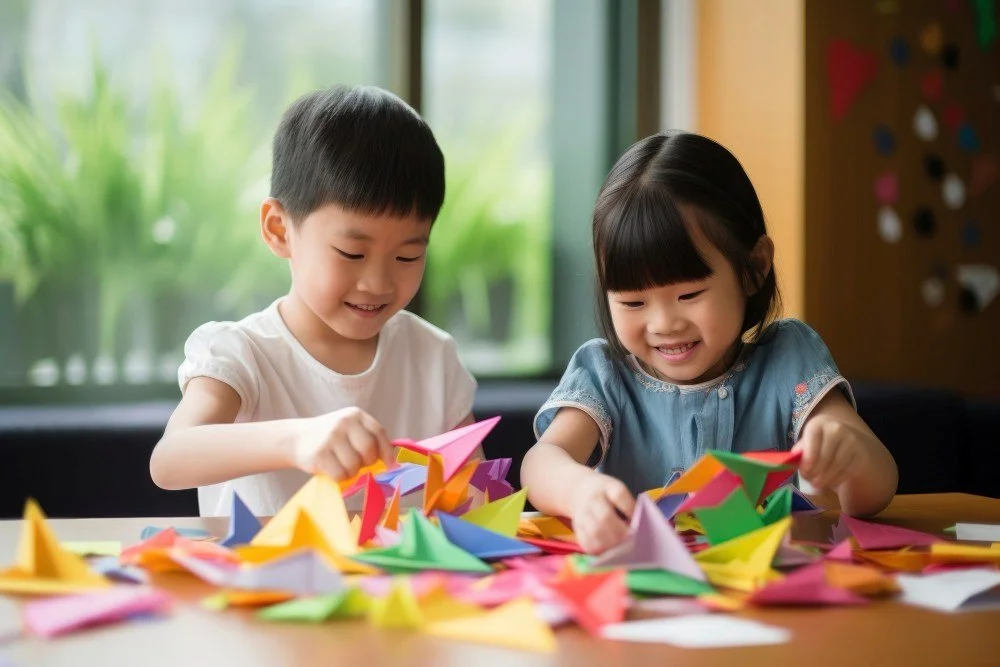
The early years are a critical period for a child’s development, as they set the stage for future growth. During this time, children build the essential brain architecture needed for critical thinking and social interaction. In an inclusive preschool in Singapore, this foundation becomes even more important, as early environments play a key role in shaping how children learn, communicate, and engage with others. The habits they form at this stage, like persistence, collaboration, and curiosity, become the lasting tools they use to navigate life as adults.
Frequently Asked Questions
-
Play-based learning is an educational approach where children learn through exploration and discovery. This method allows teachers to weave foundational concepts like literacy and math into meaningful, active experiences that feel natural to a child’s development.
-
It builds essential life skills like critical thinking, adaptability, and resilience. These early habits form a strong brain architecture, ensuring they are not just prepared for the next grade level, but for long-term success in adulthood.
-
Yes, it prepares children by building the cognitive and social foundations needed for formal schooling. Through play, children master phonics, numbers, and following routines, ensuring they enter Primary school with a genuine love for learning and the focus required to succeed.
-
Academic-focused learning relies on structured lessons and measurable milestones, such as worksheets and tests. Play-based learning, however, prioritizes hands-on exploration and child-led discovery.
-
Absolutely. Play is the primary way children learn to navigate relationships. By interacting with peers, they can manage their emotions and build the social confidence needed to collaborate in the classroom and beyond.