
How Applied Behavior Analysis Therapy Helps Children Develop Everyday Skills
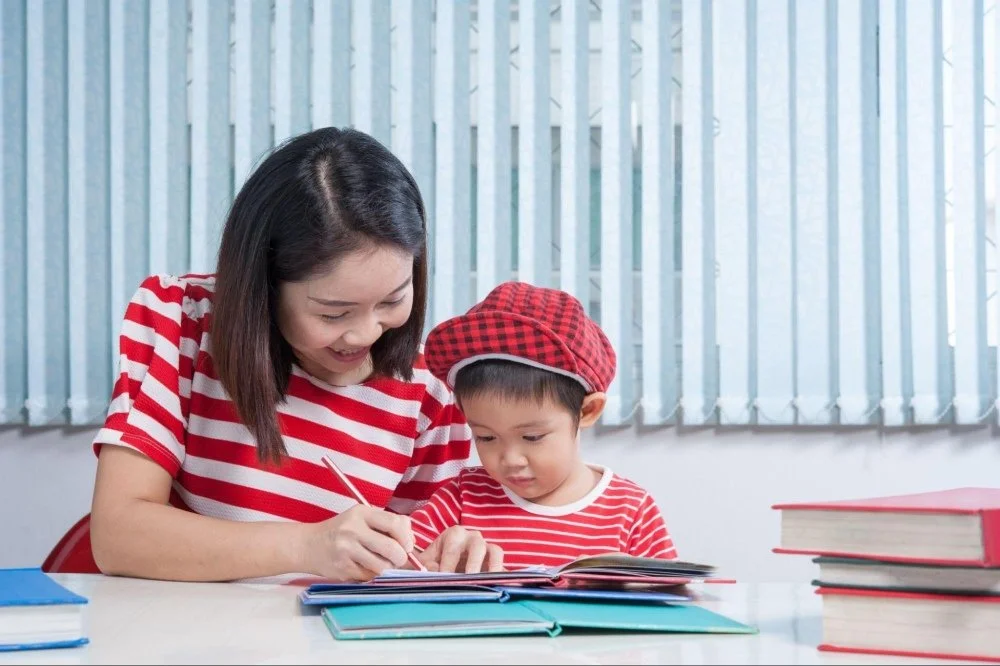
Every child develops at their own pace, and some may need additional support to build essential communication, behavioral, and life skills. With the right guidance and structure, children can gradually acquire the tools they need to navigate everyday situations more confidently.
Applied Behavior Analysis (ABA) therapy is one such approach commonly used to facilitate this growth. Through structured teaching strategies and positive reinforcement, ABA therapy helps children practice and strengthen practical skills that support learning, independence, and social interaction.
What is ABA Therapy?
At its core, ABA therapy focuses on understanding how a child’s actions are influenced by their environment. It is commonly used to support children with autism and other developmental differences by guiding them toward helpful behaviors while reducing actions that may interfere with learning or social interaction.
In practice, children are guided through well-planned activities where positive responses are acknowledged and reinforced. Over time, this consistent "reward-based" approach helps strengthen useful behaviors, develop cognitive abilities, and reduce challenging reactions in children.
Why Everyday Skills Matter in Child Development
Developing everyday skills is essential for children to gain independence, confidence, and the ability to navigate daily life.
Independent Living Skills: Learning self-care and problem-solving helps children manage tasks on their own, fostering confidence and self-sufficiency.
Social and Emotional Skills: Practicing communication, empathy, and emotional regulation supports positive interactions and healthy relationships.
School Readiness: Skills like following routines, focusing attention, and creative problem-solving prepare children for learning and classroom participation.
Foundations for Future Success: Everyday skills support long-term academic, social, and personal growth, contributing to overall well-being.
How ABA Therapy Supports the Development of Everyday Skills
ABA therapy provides structured support to help children build practical skills they use every day.
1. Strengthening Communication Skills
ABA techniques help children find their voice, whether it be expressing their needs, responding to instructions, or engaging in conversations. Professionals break these goals into small, manageable steps and use repetition and positive reinforcement to strengthen each skill. Over time, children become more confident in asking for help, sharing ideas, and participating in discussions with peers and adults.
2. Developing Social Interaction and Play
Through structured activities, play-based learning and guided practice, ABA therapy teaches children how to interact with peers, share toys, take turns, and participate in group games. These experiences foster cooperation, teamwork, and understanding of social rules, skills that are essential for school, extracurricular activities, and everyday interactions.
3. Building Self-Care and Daily Living Skills
ABA strategies also support the development of self-care routines such as dressing, feeding, hygiene, and following multi-step instructions. By teaching these tasks in small, consistent steps, children gradually learn to complete daily activities independently, manage transitions smoothly, and develop confidence in handling responsibilities.
4. Encouraging Positive Behaviour and Emotional Regulation
ABA therapy emphasizes understanding why behaviors occur and reinforcing positive responses. Structured strategies and clear expectations help children manage frustration, cope with challenges, and express emotions appropriately. By learning these skills, children can navigate social situations more successfully and develop healthy habits that support overall well-being.
How Parents Can Support Skill Development at Home
By creating a supportive home environment and maintaining consistency, parents can help children practice new skills and gain confidence in their daily routines.
Reinforce Positive Behavior: Celebrate successes and encourage effort, no matter how small. Positive reinforcement motivates children to repeat helpful behaviors and strengthens learning from therapy.
Integrate Daily Routines: Incorporate self-care, dressing, hygiene, and simple household tasks into daily schedules. Repetition helps children develop independence and familiarity with everyday responsibilities.
Maintain Consistency with Therapy Strategies: Coordinate with professionals to use similar prompts, rewards, and routines at home. Consistency between home and therapy sessions may support progress and skill generalization.
Create an Engaging Learning Space: Designate a quiet, organized area for focused practice, educational play, and multisensory activities to make learning enjoyable and structured.
When Parents May Consider Additional Support
If your child continues to face challenges with communication, behavior, or daily routines even after practicing these skills at home, it may be helpful to seek additional support.
Consulting professionals in behavioral or developmental therapy can provide tailored strategies that complement the routines and reinforcement used at home.
Helping Children Thrive Through Everyday Skills
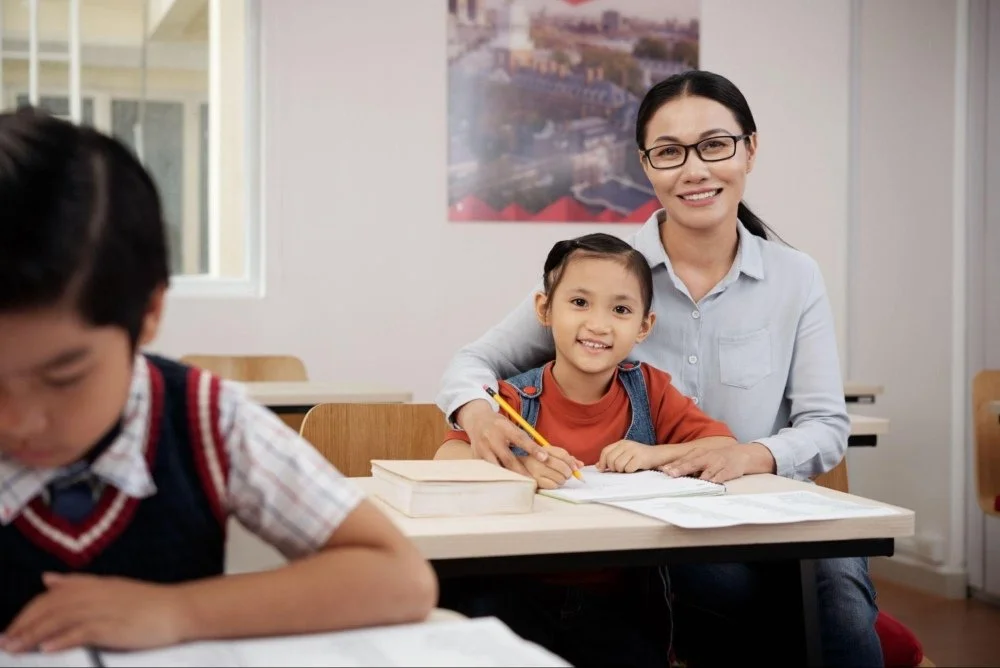
Providing a child with the right support at the right time can make a lifetime of difference. By combining evidence-based strategies such as ABA therapy with consistent practice at home, children can gradually build independence, communication, social, and self-care skills.
In addition, learning centers such as The Growing Academy in Singapore can play an important role in reinforcing these essential skills in children. By offering structured therapy and developmental support programmes, these centres provide children with opportunities to practise skills in guided, supportive settings.
With continued encouragement from both parents and professionals, children can strengthen their abilities, gain confidence, and navigate everyday situations more easily.