
5 Signs Children Might Benefit from Early Intervention Support
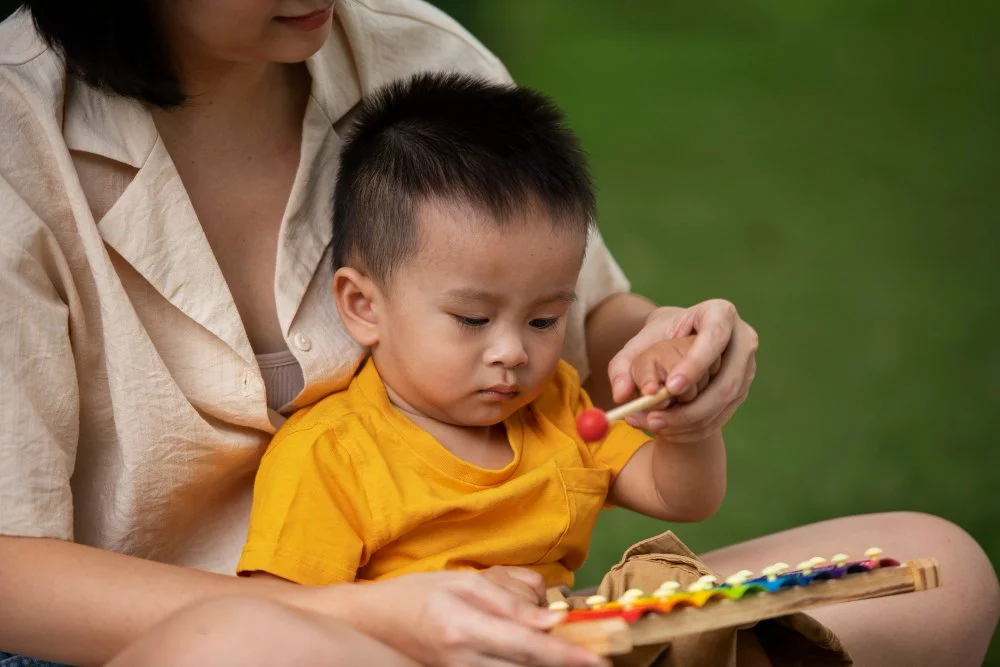
Early intervention is a specialized support system designed to help babies and young children who are developing at their own unique pace. It offers support for challenges like delayed speech, difficulty with socialization, and motor skill challenges.
This approach is critical because the early years are a time of rapid brain development, laying the foundation for future learning. Timely intervention leverages the brain's highest plasticity during these early years, providing the best foundation for your child to flourish and successfully navigate future hurdles.
What Is Early Intervention and Why It Matters
Early intervention goes beyond simple assessments to identify specific hurdles and provide targeted strategies that bridge developmental gaps. Governments and healthcare sectors advocate for this support because the years from birth to six are considered the golden window of opportunity. This timeframe offers a window to maximize brain development when your child is most adaptable and responsive to learning.
Beyond just hitting milestones, the goal of early intervention is to equip your child with the essential tools they need for daily life. This includes improving communication skills, managing behavior, and fostering independence. By addressing these areas early, children are prepared for the structured environment of local schools, significantly increasing their chances of a successful transition into mainstream Primary School education.
1. Delayed Speech or Language Development
The ability to verbally express thoughts and feelings is what allows your child to build meaningful relationships. By observing how they express themselves, you can identify if they need additional support to build their language skills and find their voice.
Signs to Observe
Language delays are often the first thing parents notice. Monitoring these indicators can help you understand if your child might benefit from additional support.
Not using words by 18 to 24 months old.
Having a very limited vocabulary or struggling to express basic needs.
Engaging in echolalia, where they repeat words or phrases without understanding the context.
The Bilingual Factor
It is natural for parents to compare their child's progress with that of cousins or peers. When speech differences arise, it is common to question whether the local bilingual environment plays a role.
While navigating two languages requires cognitive effort, it does not typically prevent a child from communicating effectively. A child raised in a multilingual home is still expected to meet standard milestones in at least one of their dominant languages.
When to Seek Help
Consider speaking to a specialist if you see the following signs:
Your child has not spoken words by two years old.
They are unable to form simple two-word sentences by the age of three.
There is a consistent struggle to follow basic instructions.
2. Limited Social Interaction or Poor Eye Contact
Social interaction is how your child builds a bond with you and learns to relate to others. If your child seems consistently distant or uninterested in shared moments, it could be a sign that they are finding this connection difficult.
Signs to Observe
You might notice specific patterns during daily play or family time that suggest a child might be disengaged. Paying attention to these subtle cues can help identify if support is needed.
Consistently avoiding eye contact with you or others.
Preferring to play alone rather than interacting with peers.
Showing no interest in imitating your actions or facial expressions.
Not pointing or showing you objects they find interesting.
Potential Underlying Causes
While these behaviors are often associated with the autism spectrum, they can also stem from other sources. For instance, sometimes a child may be dealing with sensory processing issues or emotional hurdles that make interaction difficult. It is always beneficial to look at the whole picture with the help of a professional rather than focusing on a single isolated behavior to understand the root cause.
When to Seek Help
It is best to schedule a screening if your child displays these signs:
Avoiding eye contact by the age of 12 months.
Showing no interest in social play or interaction with peers by two or three years old.
3. Delays in Motor Skills (Gross or Fine Motor)
Physical milestones are the building blocks of independence. When these skills are delayed, it affects how a child interacts with the world, from navigating a playground to managing self-care tasks.
Common Concerns
Physical development dictates how a child interacts with their surroundings. Parents might observe this as difficulty with large movements or smaller, detailed tasks that require coordination.
Late walking or noticeable poor balance and coordination.
Difficulty holding objects like crayons or using a spoon and fork.
Avoiding active play that involves climbing or jumping.
Appearing clumsy or bumping into things frequently.
Impact on Independence and School Transition
Motor skills play a practical role in how a child manages the daily school routine. Students are expected to handle tasks like managing their own belongings. Strengthening these physical foundations early helps a child participate in classroom activities and physical education with greater confidence and less fatigue.
4. Behavioral Concerns (Meltdowns, Rigidity, Sensory Issues)
Behavior is often a child’s loudest form of communication. Persistent challenges in this area may indicate that a child is struggling to process their environment or emotions, highlighting the importance of early support through a center for applied behavior analysis, where structured interventions help children develop appropriate coping and communication skills.
Indicators of Behavioral Challenges
While tantrums are a normal part of growing up, outbursts that are significantly more intense or frequent than expected may signal a deeper issue. It is helpful to look out for specific patterns, such as:
Frequent and intense meltdowns that seem out of proportion to the situation.
Severe struggles with transitions or changes in daily routine.
Rigid habits or rituals that are difficult to break.
Overreaction or underreaction to sensory input, like loud noises or textures.
Hyperactivity or a noticeably short attention span.
Possible Underlying Causes
These actions are rarely just about a child being difficult. They often point to specific developmental needs that require understanding and support from both parents and therapists.
Sensory Processing Disorder, where the brain misinterprets sensory information.
ADHD traits that affect focus and impulse control.
Emotional regulation issues stemming from a lack of coping tools.
Underlying anxiety regarding changes in the environment.
5. Difficulty Learning, Concentrating or Following Instructions
Learning involves curiosity and the ability to retain information. Persistent struggles with focus or basic concepts can hinder a child's natural enthusiasm for discovery and participation in group settings.
Examples of Learning Challenges
Learning challenges often show up during structured play or simple educational activities. Parents might notice that a child seems lost or disinterested compared to peers.
Difficulty matching items or sorting them into categories.
Struggling to recognize basic shapes or letters.
Finding it hard to sit still for even short activities.
Needing repeated reminders to complete simple tasks.
Avoiding learning activities altogether due to frustration.
The Critical Impact of Unaddressed Learning Challenges
The consequences of these learning difficulties are far-reaching and require prompt attention. When left unaddressed, such challenges can affect preschool readiness, as foundational cognitive skills like focus and the ability to follow instructions are essential for successful participation in an inclusive preschool education in Singapore. Furthermore, these difficulties can impact the transition to Primary School, where early support helps build the academic and behavioural skills needed for long-term success.
Therefore, intervention maximizes your child's potential because the brain is highly responsive to learning and change in the early years. Timely action helps close developmental gaps more quickly and effectively, ensuring early support improves outcomes significantly.
When Should Parents in Singapore Seek an Assessment?
Screening is recommended as soon as consistent delays are noticed, regardless of age.
Who to Consult: Speech therapists and occupational therapists are also excellent resources for specific concerns involving difficulties with processing information or sustaining attention during learning activities.
Government Options: The ECDA encourages developmental screening, and polyclinics can provide referrals to government hospitals.
Private Options: Private centers like The Growing Academy often provide access to the specific therapies required without long waiting times.
How Early Intervention Helps Your Child’s Future

The goal of early intervention is to equip children to overcome challenges and reach their full potential. It sets a positive trajectory for their growth and education.
Better Communication: Children learn to express their needs and connect with others.
Improved Behavior: Learning healthy coping mechanisms reduces frustration and meltdowns.
Smoother School Transition: It prepares children for the routine and structure of a classroom.
Confidence and Independence: Mastering daily skills boosts self-esteem and autonomy.
Mainstream Opportunities: With the proper foundation, many children successfully move into mainstream education and thrive alongside their peers.
Every child deserves the best possible start. If you notice any of these signs, remember that seeking support is a constructive step toward your child's success. At The Growing Academy, we are here to partner with you on this journey, ensuring your child has the tools they need to grow, learn, and thrive.
Frequently Asked Questions
-
Early intervention is a broad term that includes various therapies, such as speech and occupational therapy, but it focuses on a holistic, structured curriculum to meet developmental milestones.
-
Some children catch up on their own, but waiting increases the risk that the gap will widen, so it is always safer to seek professional support early.
-
Pediatricians and child psychologists are the primary professionals who diagnose developmental delays and conditions like autism.
-
You should start as soon as a delay is identified because the brain is most responsive to learning and change during the first few years of life.
-
Every child develops at their own pace. With consistent support, you can generally expect to see steady and positive progress over time.
-
No, it does not. Early intervention supports various developmental needs and is designed for any child facing delays, from speech delays and motor difficulties to behavioral challenges.
-
Fees depend entirely on the level of support and the type of program your child needs. At The Growing Academy, we offer various classes tailored to your child's specific goals. This ensures they get exactly what they need without the long wait times often found elsewhere. Please contact us directly to discuss your options.
-
Yes. By addressing developmental gaps during the critical 0-6 year window, early intervention equips children with the core skills needed for mainstream settings. Many students successfully bridge the gap and transition into mainstream Primary Schools equipped with the right foundation.