
Choosing an Inclusive Preschool in Singapore for Children with Special Needs
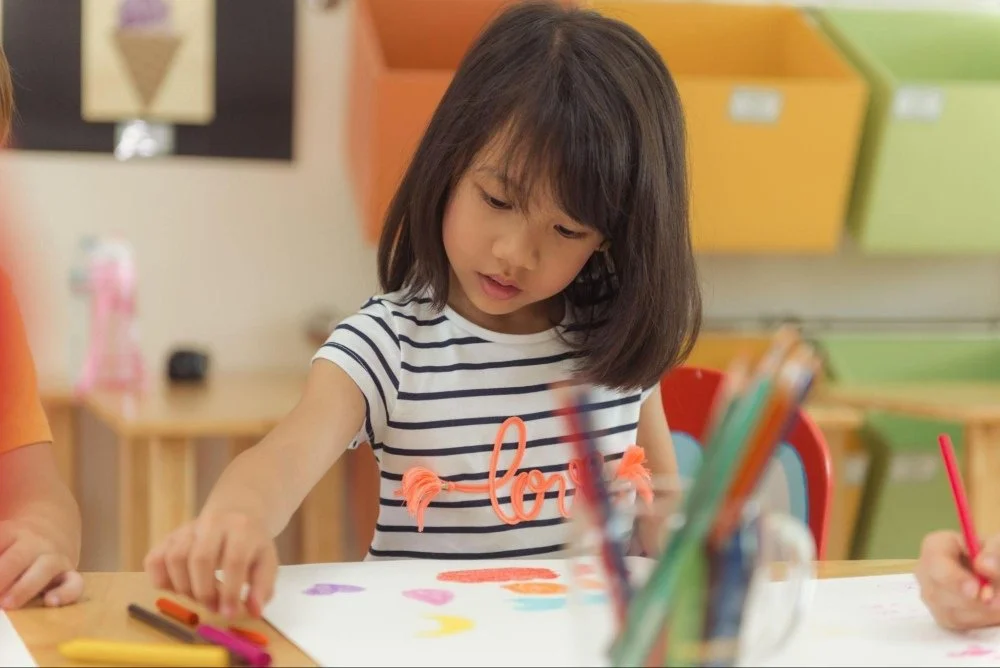
Children possess diverse learning needs, and an inclusive preschool in Singapore provides a supportive environment where every child can learn and grow together. If you are looking for an inclusive preschool for your child, consider factors such as the level of support, the teacher-to-child ratio, and the classroom environment to ensure a nurturing, development-focused setting.
What is an Inclusive Preschool?
An inclusive preschool blends mainstream early childhood education with specialized support, enabling children with varying learning needs to develop and thrive together in a shared environment.
In these mixed-ability classrooms, trained educators and therapists collaborate to offer tailored teaching and support for each child. This holistic approach helps all children develop not only academic readiness but also social, behavioral, speech, and communication skills.
Why Does Inclusion Matter in Early Childhood?
Inclusion in early childhood helps children develop empathy, strong social skills, and an understanding of diversity. By learning alongside peers with different needs, children are better prepared for mainstream primary school, real-world interactions, and structured after-school care environments.
This approach benefits both neurotypical learners, who follow typical developmental patterns, and neurodivergent learners, whose brains process information differently, promoting mutual respect and collaboration.
Recognizing the vital role of inclusion, the Ministry of Education (MOE) has been making significant efforts to integrate around 80% of students with special needs into mainstream schools. These schools are equipped to support those capable of engaging with the national curriculum.
Key Signs Your Child May Benefit From an Inclusive Preschool
Identifying early signs that your child may benefit from specialized support can help you choose the right inclusive preschool.
Speech and language delays: Speaking later than peers, having a smaller vocabulary, or struggling to express themselves clearly, which may affect communication and learning.
Limited social engagement: Difficulty joining in group play or interacting comfortably with other children.
Withdrawal or lack of interest: Appearing aloof or disengaged from classroom activities and peer interactions.
Challenges with fine motor skills: Struggling with tasks like holding a pencil, drawing, or other fine motor activities.
How to Choose the Right Inclusive Preschool in Singapore?
Selecting the right inclusive preschool in Singapore involves considering several factors that ensure your child receives the support, guidance, and learning environment they need to thrive.
1. Level of Special Needs Support Provided
When choosing an inclusive preschool, evaluate the depth of specialized support. Look for schools that integrate therapeutic services to support learning and social development, such as Applied Behavior Analysis (ABA) services, offered by The Growing Academy.
2. Teacher-to-Child Ratio & Classroom Environment
Another key factor when selecting an inclusive preschool is the teacher-to-child ratio. Consider whether the preschool offers smaller class sizes. This allows educators to provide personalized guidance and attention to children with diverse learning needs.
The classroom environment also plays a crucial role, incorporating visual structure, consistent routines, and sensory-friendly setups that support focus and comfort.
3. Teacher Training & Experience
Besides assessing the teacher-to-child ratio, ensure that teachers are trained in early intervention strategies and have experience supporting children with diverse developmental needs.
For instance, our experienced team holds a wide range of professional certifications, such as Registered Behavior Technician (RBT), Board Certified Behavior Analyst (BCBA), and Special Needs Education qualifications. With these credentials, educators can implement evidence-based strategies, provide personalized support, and adapt learning approaches to meet each child’s needs.
4. Mainstream Readiness Focus
Children with special needs can also benefit when the preschool places a strong focus on mainstream readiness, preparing them for the academic and social expectations of Primary School.
This includes strengthening pre-academic skills in literacy and mathematics, as well as developing independence-building skills such as self-help management, perseverance, critical thinking, and problem-solving.
5. Collaboration With Parents & Home Reinforcement
A child’s progress is optimized when parents and schools work together. Ensure educators collaborate closely with parents, provide regular progress reviews, and share practical strategies for home reinforcement.
6. Availability of One-On-One Intervention or Therapy
If your child requires more targeted assistance beyond classroom-based support, check whether the preschool offers access to one-to-one intervention or therapy.
Individualized sessions allow therapists to focus on specific goals such as speech development, behaviour regulation, sensory needs, or motor skills. This focused support helps address challenges at the child’s own pace and can enhance overall developmental progress.
7. Preschool Fees, Subsidies & ECDA Support
Preschool fees can vary widely, with private inclusive preschools generally costing more than government-linked preschools. This is because government-supported centers overseen by the Early Childhood Development Agency (ECDA) follow monthly fee caps to help keep costs affordable. In addition, families may qualify for further subsidies based on income and employment status.
When to Choose Specialised Early Intervention vs. Inclusive Preschool?
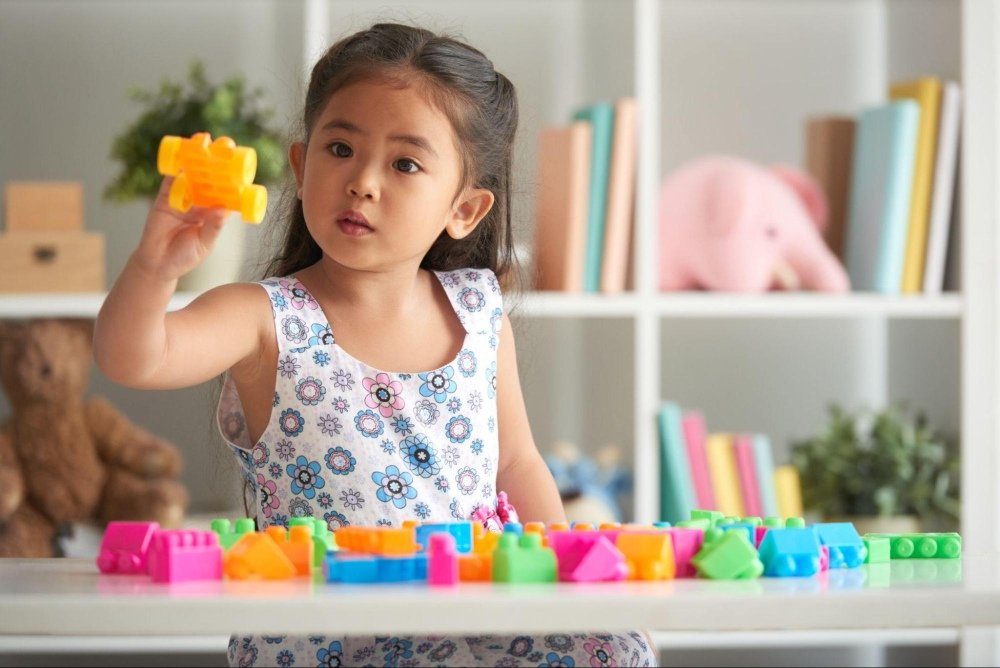
Children with mild to moderate support needs often do well in an inclusive preschool, where they can learn alongside peers while receiving tailored in‑class support.
However, when a child’s functional gaps are more significant, as in the case of children with Autism Spectrum Disorder (ASD), an early‑intervention program may be more appropriate. In some cases, a hybrid approach, combining early intervention with inclusive preschool attendance, can offer the best of both worlds.
The decision between specialised early intervention, inclusive preschool, or a combination of both should be based on your child’s developmental needs, choosing the option that best supports their growth and sets them up for long-term success.
Frequently Asked Questions
-
An “inclusive” preschool in Singapore means a center where children of varying developmental needs learn together with tailored support. Such preschools offer customized instruction and support from trained educators, ensuring that all children can participate, regardless of their abilities, learning styles, or backgrounds.
-
An inclusive preschool, such as The Growing Academy, supports children with special needs through trained educators, personalised small-group support, and evidence-based strategies, helping them develop academically, socially, and emotionally in a nurturing environment.
-
No, an inclusive preschool is not the same as early intervention. Early intervention programs focus on children with conditions such as ASD, Global Developmental Delay (GDD), and Down Syndrome, providing targeted therapies such as speech and occupational therapies. An inclusive preschool, on the other hand, integrates children of varying abilities in mainstream classrooms with tailored support.
-
Yes, an inclusive preschool can help prepare your child for mainstream primary school by developing academic, social, behavioral, and independence skills.
-
If your child has autism or Attention Deficit Hyperactivity Disorder (ADHD), an early intervention program can be a suitable option, providing targeted therapies and personalized support to address their unique needs.
-
Your child may need more support than an inclusive preschool if they have conditions such as Autism, ADHD, global developmental delays, or other needs that require medium to high levels of early intervention and personalized therapy.
-
No, inclusive preschools in Singapore are not necessarily more expensive. While private preschools tend to cost more, government-supported centres regulated by ECDA set monthly fee limits to ensure childcare remains affordable.
-
During a preschool tour, ask about teacher-to-child ratios, educators’ training & experience, classroom environment, inclusion practices, progress tracking, parent collaboration, and how the school supports social, emotional, and academic development for all children.
-
Yes, your child can move from an inclusive preschool to a mainstream preschool. With our integrated inclusion program, we provide tailored support, helping children with special needs transition smoothly into mainstream preschools and primary schools.